

Endodontics
Root canal treatment is done when dental cavities reaches the dental pulp(tooth nerve) with the live tissues of the tooth, or when it reaches very close to it, affects the nerves of the tooth
Learn moreSpecialist Treatments
Orthognathic surgery is a jaw surgery performed by surgeons under general anesthesia in full-fledged operating rooms that aims to correct the skeletal structure-deformities of the jaws, the…
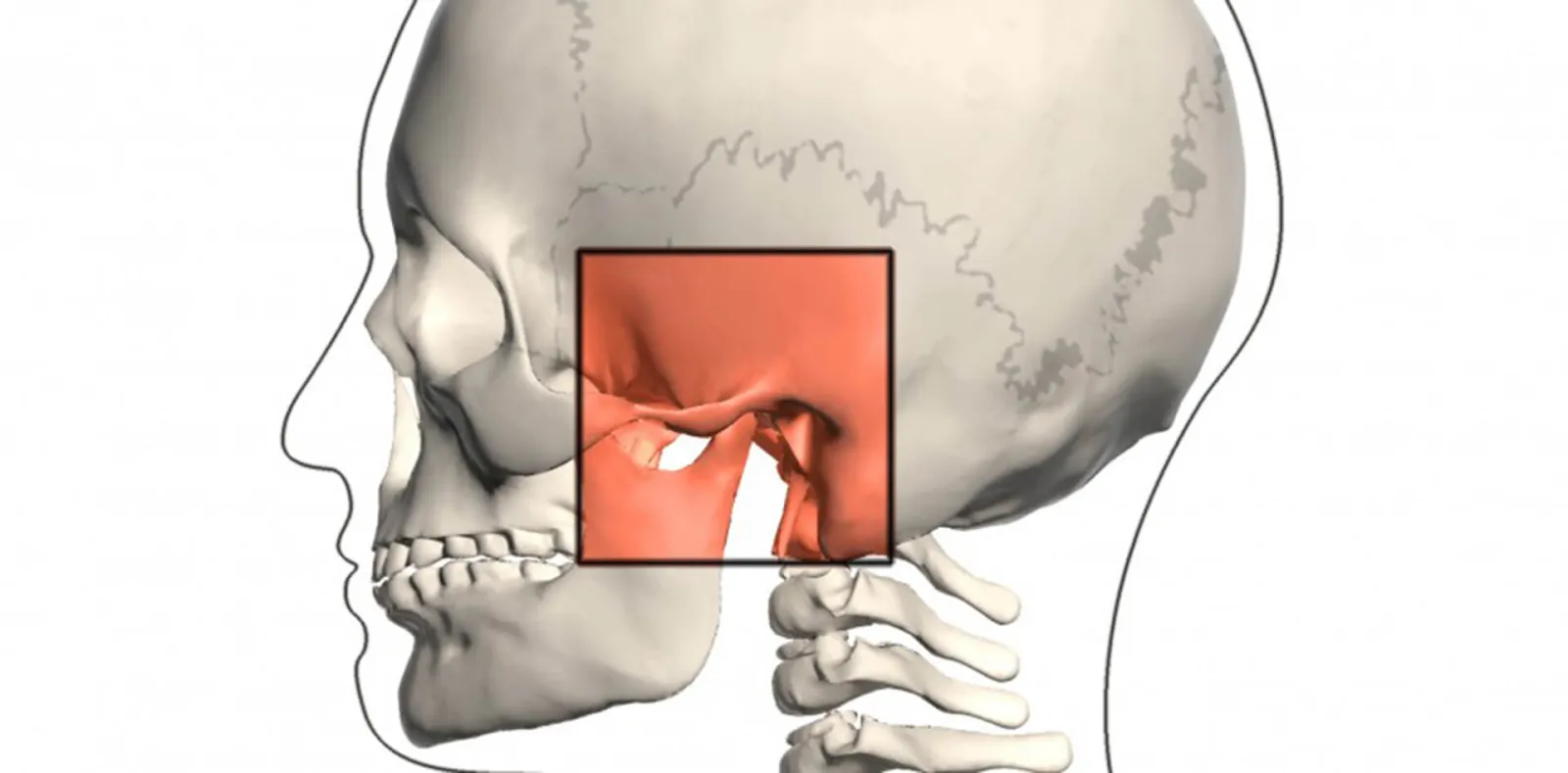
Orthognathic surgery is a jaw surgery performed by surgeons under general anesthesia in full-fledged operating rooms that aims to correct the skeletal structure-deformities of the jaws, the connection of the jaws with the face and the connection of the jaws with each other.
Orthodontic problems are divided into two, generally dental and skeletal. Dental problems such as crowding, gaps between teeth and malocclusion can be solved with orthodontic treatment. However, skeletal problems such as the extending forward of lower jaw, asymmetry of the jaw, gummy smile due to the sagging of the upper jaw can not be corrected only with orthodontic treatment. Such problems are treated with orthodontic treatment and orthognathic surgery (jaw surgery).
Orthognathic surgeries are performed by plastic surgeons or oral surgeons.There are one or more surgeons that each orthodontist work with in harmony and will advise to you.These treatments require teamwork and your orthodontist will want to perform your treatment with the surgeon he works with.
Patients over the age of 18 who have completed jaw development can have this operation.
Such operations are performed in patients with one or more of the jaw disorders listed below:
Yes, it's necessary. Depending on skeletal problems, a number of disorders occur in the teeth.Orthodontic treatment of extraction or nonextraction,is required in order to bring the teeth to their correct place according to the jaws.
These treatments in preparation for orthognathic surgery are called 'decompensation treatments'.
Disorders of teeth due to existing skeletal problems can cause gingival diseases,bone loss, teeth cavities,tooth wear and loss of teeth. Temporomandibular joint disorders such as joint pain or jaw clicking may occur due to the restriction of jaw opening that develops over the years due to the closing problem.
Depending on the treatment planning of the orthodontic specialist, single jaw (upper or lower jaw only) or double jaw operations take between 1.5 and 4 hours.
In some cases, if the skeletal problem is mild form and the person is not disturbed by this condition orthodontic treatment can be done with only camouflage treatment. Camouflage treatment is orthodontic treatment performed by removing the underlying skeletal problem and moving the teeth within physiological limits.Camouflage treatments should be done with the right indication in a way that does not threaten the health of teeth and joints in the long term.
To create a right diagnosis and treatment planning, X-rays (lateral cephalometric, panoramic, anteroposterior), models, intra-and extraoral photographs, joint records (MPI), tomography are taken and evaluated by the orthodontist.
After treatment planning is created, orthodontic treatment is started to bring the positions of the teeth to the right places according to the jaws. After the preparation for the surgery, the records taken at the beginning are renewed and the surgical planning is finalized.In line with planning, single or double jaw surgery is performed by the surgeon in a hospital environment under general anesthesia.
Patients stay in the hospital for a night. During the recovery period of 1 week our patients use surgery splint with elastics,as prescribed by the orthodontist.The surgical splint is removed after 1 or 4 week and orthodontic treatment continues to be applied to our patients. In general, the total duration of treatment varies between 1 and 2.5 years depending on the treatment planning. After the treatment is finished, the standard reinforcement treatment protocol is applied.
In very rare cases, jaw surgeries are performed before starting orthodontic treatment. Such applications are called 'surgery first' protocol.
The first week of jaw operations in our patients pain, swelling, limitations of jaw movements are observed. However, this acute period is overcome with painkillers and drugs. Depending on whether the surgery is a single or double jaw, there will be improvement in 4-6 weeks under normal conditions.
All surgeries have a risk.Therefore, jaw surgeries should be performed by experienced surgeons who specialize in this field.
Temporary damage may occur in nerve cells during jaw operations . Thus,patients may experience numbness (paraesthesia) and tingling in the operation area after surgery.This condition will improve over time. Under normal conditions, nerve cells will heal within a maximum 6 months.
No, it won't. In jaw surgeries, the incision line is performed inside the mouth.
Thus, there will be no visible scars outside the mouth.
Treatments
Root canal treatment is done when dental cavities reaches the dental pulp(tooth nerve) with the live tissues of the tooth, or when it reaches very close to it, affects the nerves of the tooth
Learn more
What is Ortodontics? The word orthodontia is made up of two Greek words.'Ortho' means straight,"Dontia" means teeth.Orthodontics does not only mean smooth teeth.Orthodontics is a branch of science…
Learn more
0-13 years of age is a branch of science aimed at maintaining the baby and permanent teeth of children healthy, and to treat the problems posed by cavities, trauma, hereditary and similar factors in…
Learn more
ORAL,DENTAL AND JAW SURGERY 3rd Molar Tooth Extraction What is 3rd Molar Tooth? The 3rd Molar Tooth is the third molars in each jaw,located right and left at the back, in other words, after two small…
Learn moreContact us to learn about the treatment process, duration and the options that suit you.